




Source: independent.co.uk

America's biggest coal producer is taking the plunge on renewables by launching a joint venture in solar power.
Peabody Energy Corp. announced on Tuesday that it has launched R3 Renewables with two investment firms to build utility-scale solar projects on or near former coal mining operations.
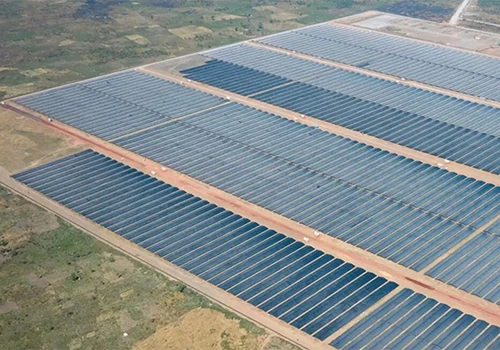
The St. Louis-based company will develop 3.3 Gigawatts (GW) of solar - enough to power about 2 million homes - and 1.6 GW of battery storage capacity over the next five years. R3 Renewables will develop on large tracts of land in Indiana and Illinois.
"We are pleased to announce this new joint venture as part of Peabody's commitment to be the coal producer of choice, creating additional value from our existing assets, supporting our own and our customers' ESG ambitions and providing added economic benefits for the communities in which we work and live," said Jim Grech, President and CEO of Peabody.
Peabody се занимава с добив на въглища от близо 140 години и има операции в Нов Южен Уелс, Австралия и американските щати Уайоминг, Алабама, Индиана и Ню Мексико.
The company did not report the size of the investment but it appears that its primary focus will remain in the fossil fuel industry. The Independent left a message for Peabody's representative seeking comment.
Coal is the dirtiest, most carbon-intensive of fossil fuels. While it generated 24 per cent of US electricity in 2019, the fossil fuel accounted for about 61 на сто от емисиите на CO2 в сектора.
През 2020 г. възобновяемите енергийни източници -, включително вятърна, водноелектрическа, слънчева, биомаса и геотермална енергия - генерираха около 21% от електроенергията в САЩ, надхвърляна само от изкопаем газ.
In the same year, use of renewables surpassed both nuclear and coal for the first time in history, reported the Администрация на енергийната информация на САЩ.
Като част от плановете на САЩ да се справят с ролята си в климатичната криза, президентът Джо Байдън обеща да откачи страната от изкопаемите горива, създавайки чист енергиен сектор до 2035 г. и нетна{1}}икономика с нулеви емисии не по-късно от 2050 г.